jeanne
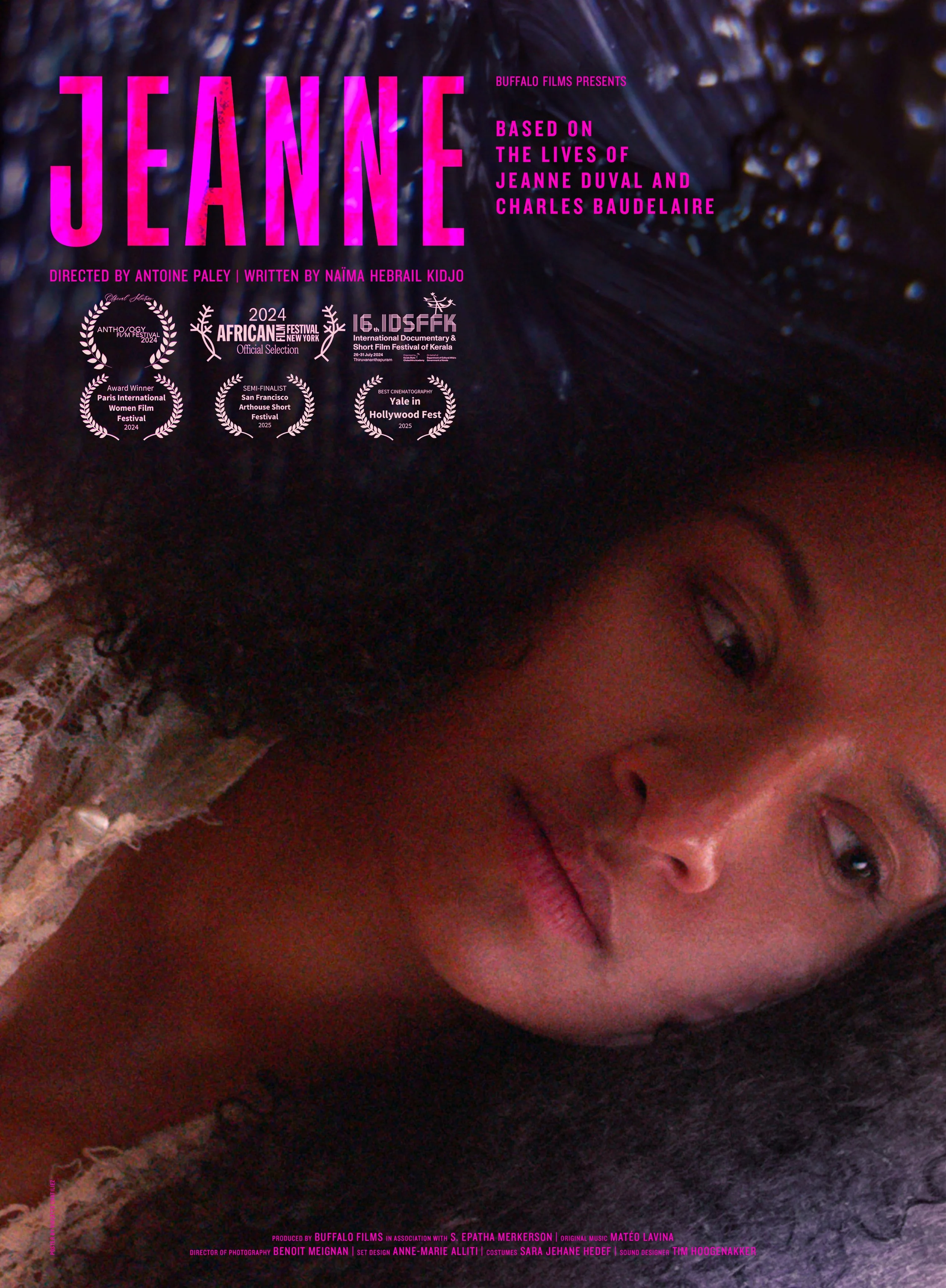
A short film based on the lives Jeanne Duval & Charles Baudelaire
Directed by Antoine Paley
Written by Naïma Hebrail Kidjo
Producers:
Iman Perez, Buffalo Films
Associate Producer - Naïma Hebrail Kidjo
Executive Producer - S. Epatha Merkerson
News & Updates

Congratulations to the whole Jeanne team
for winning Best Cinematography at the Yale in Hollywood Festival!

Congratulations to the whole Jeanne team
for winning Best Experimental Short Film at the Paris International Women's Festival!
World Premiere : 2024
African Film Festival
Film at Lincoln Center

Key Facts
GENRE SUBCATEGORIES
Historical, Drama, Romance
TOTAL RUNNING TIME
12 minutes 35 seconds
PRODUCTION COMPANY
Buffalo Films
France
PRODUCTION LOCATION
2.39.1
ASPECT RATIO
Advanced Audio Technology
AUDIO FORMAT
LENGTH
Short Film
ORIGINAL LANGUAGE
French
PRODUCTION YEAR
2024
EXHIBITION FORMATS
Digital Projection (DCP) & others
LANGUAGES
French
SUBTITLES
English
stills
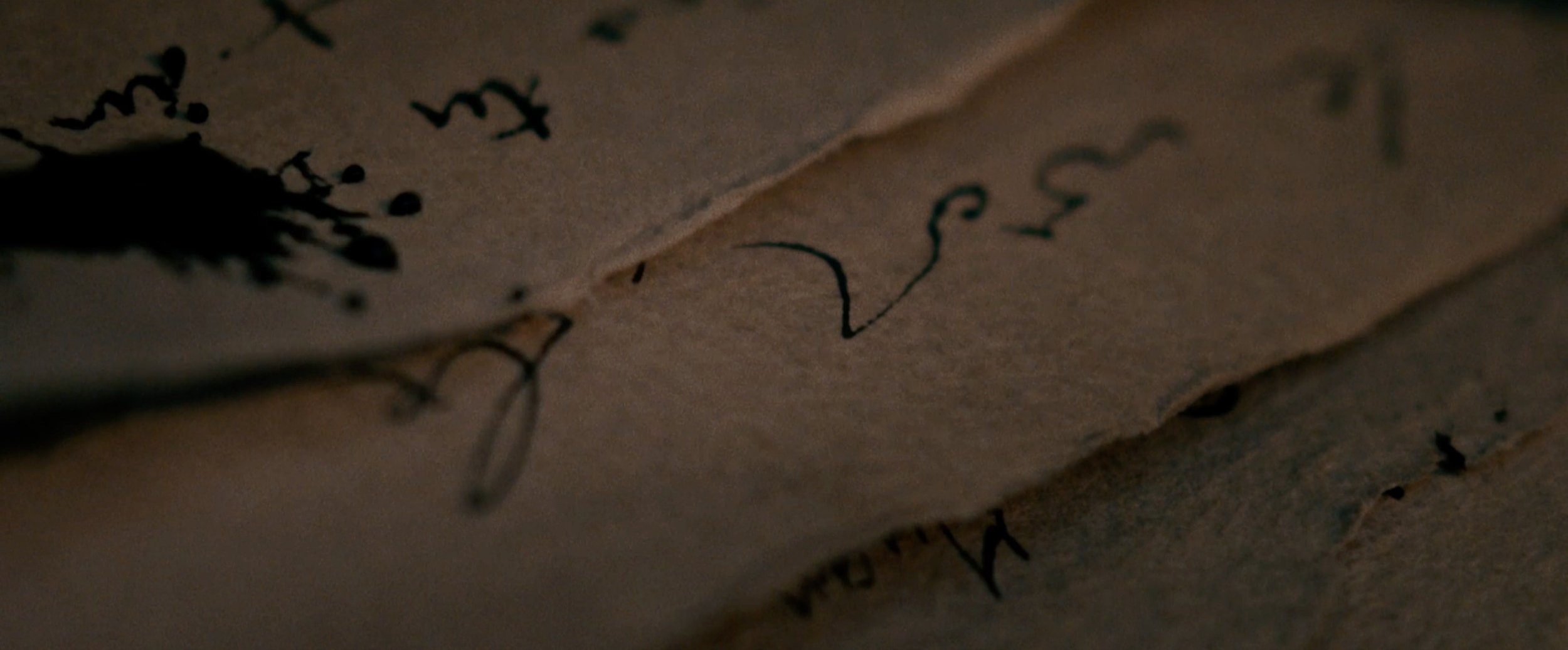
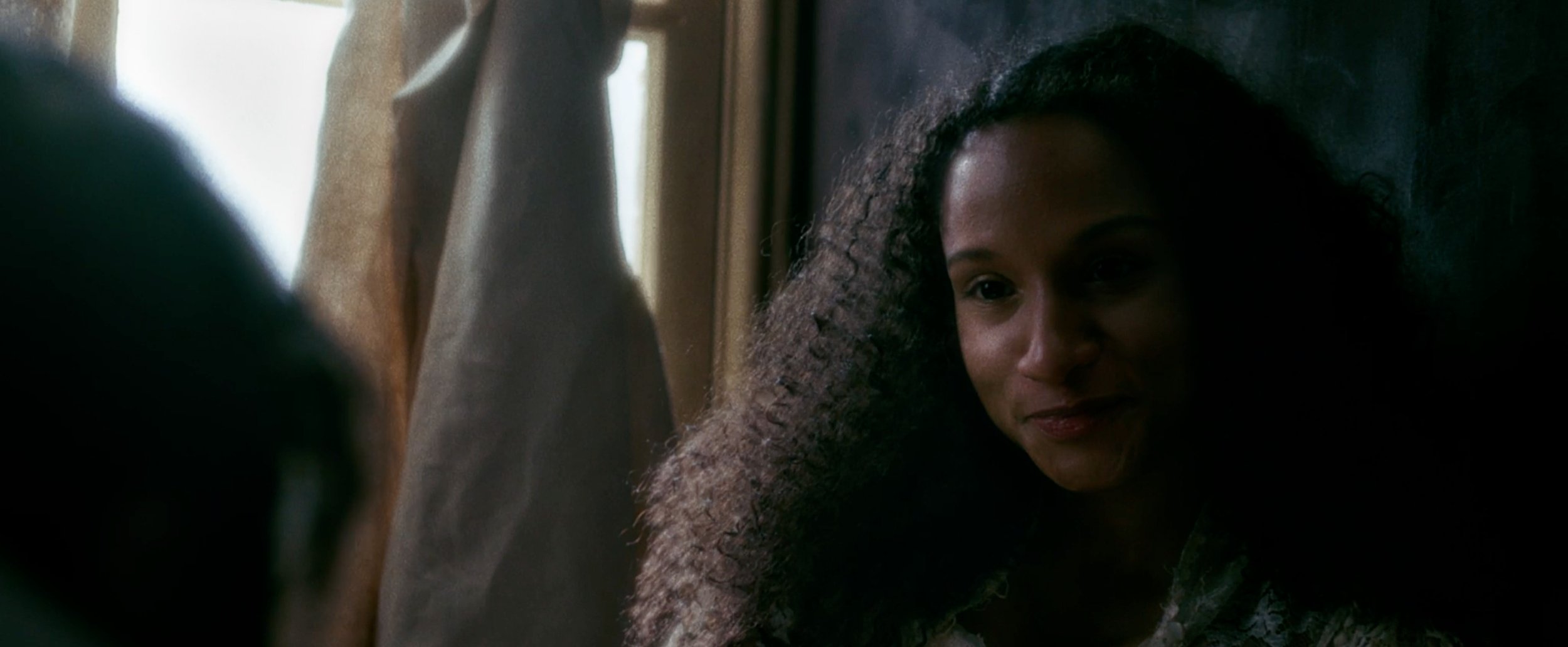
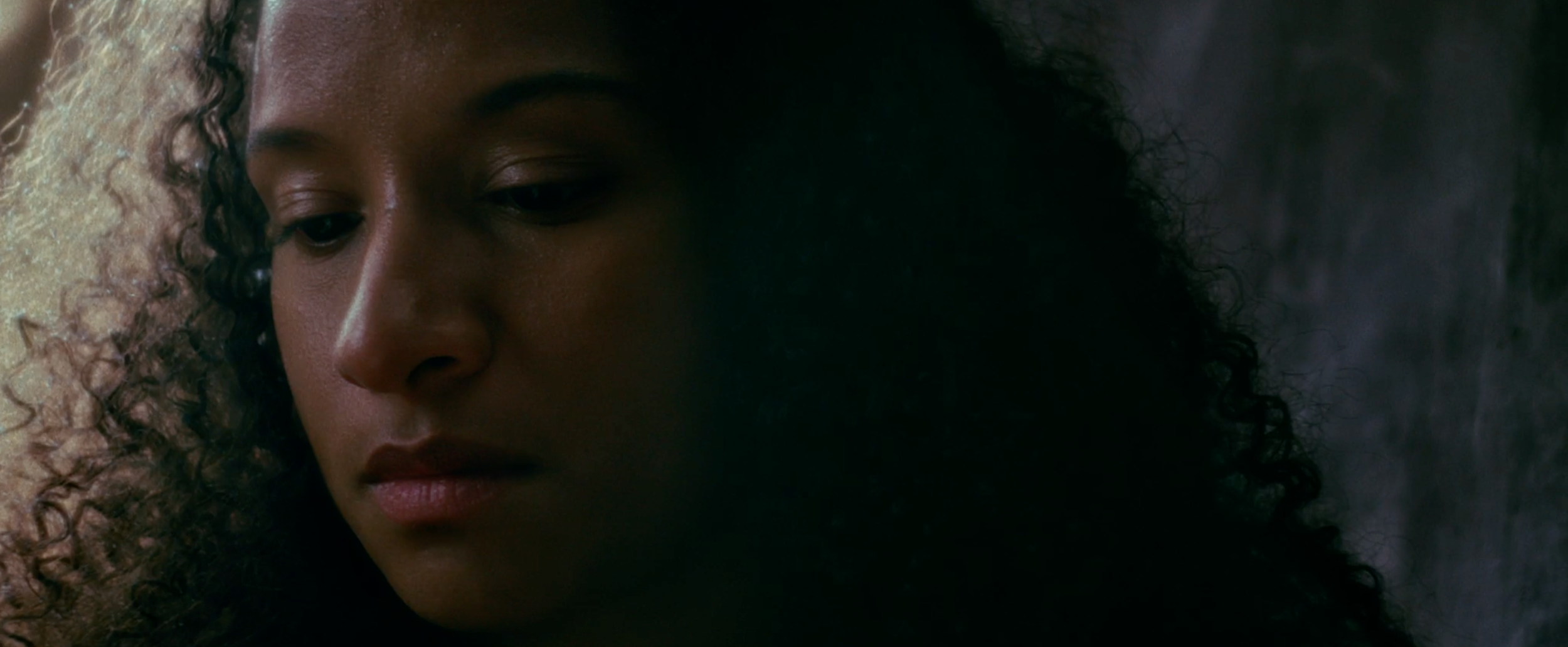
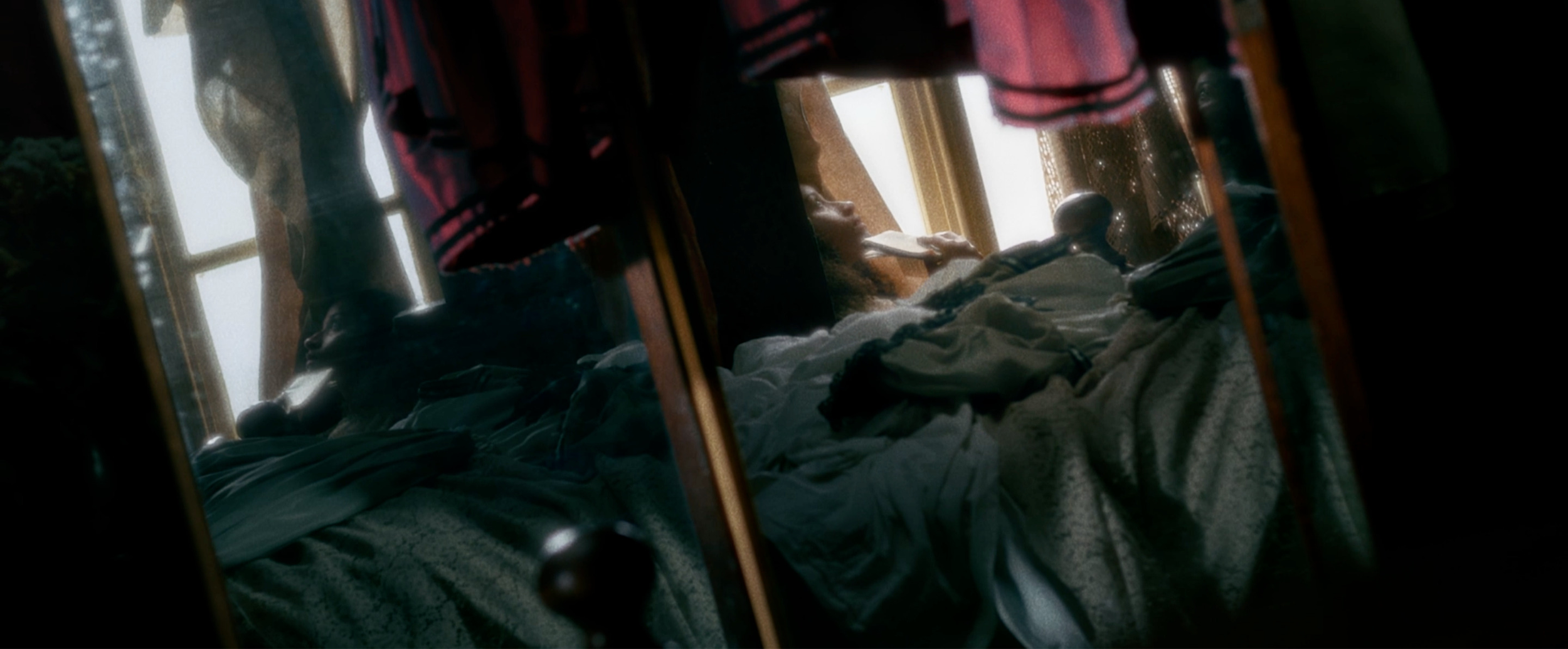
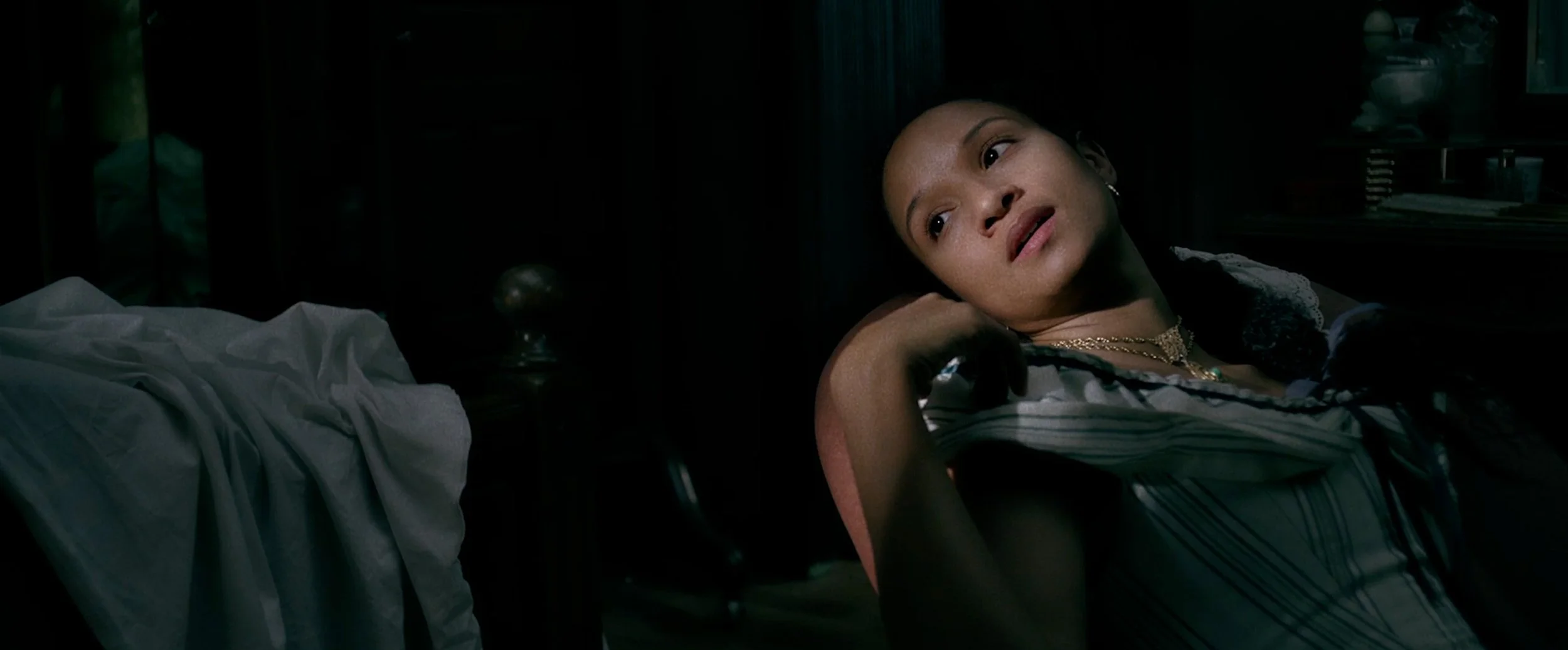
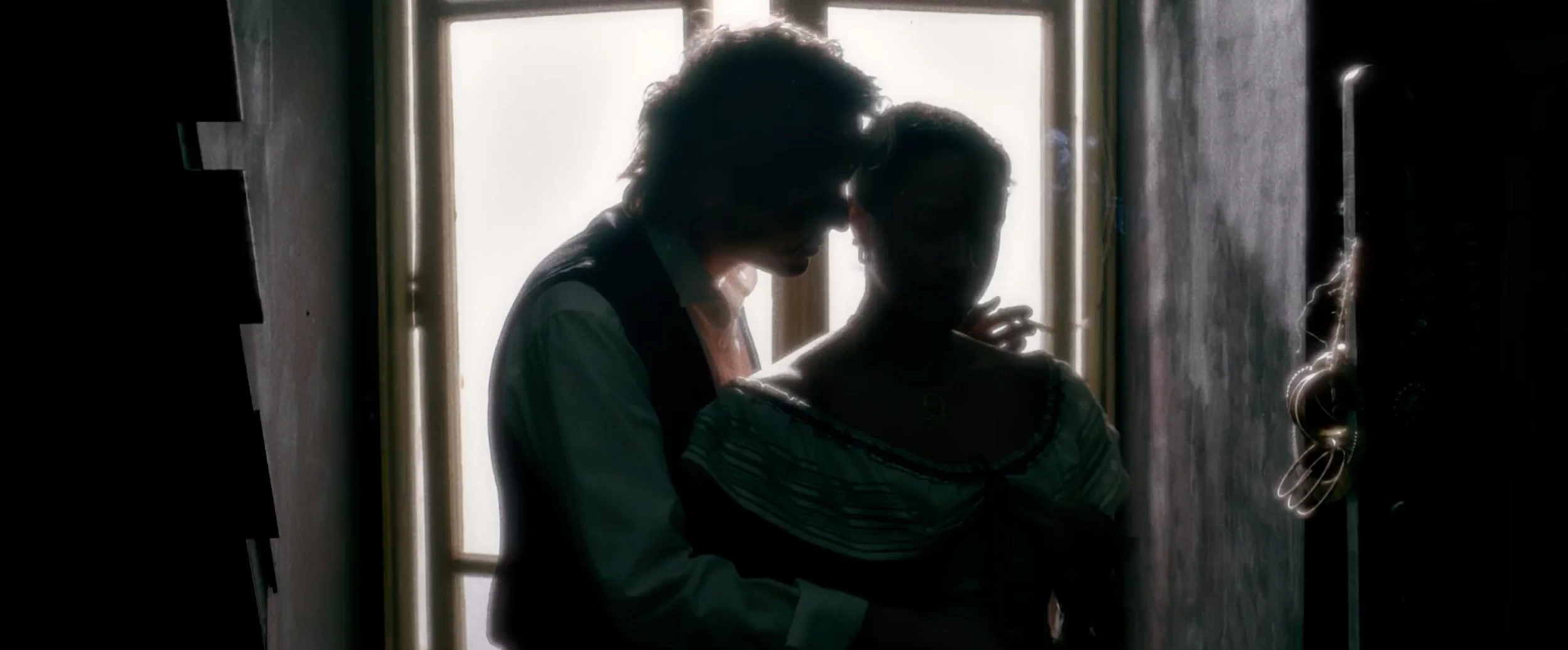
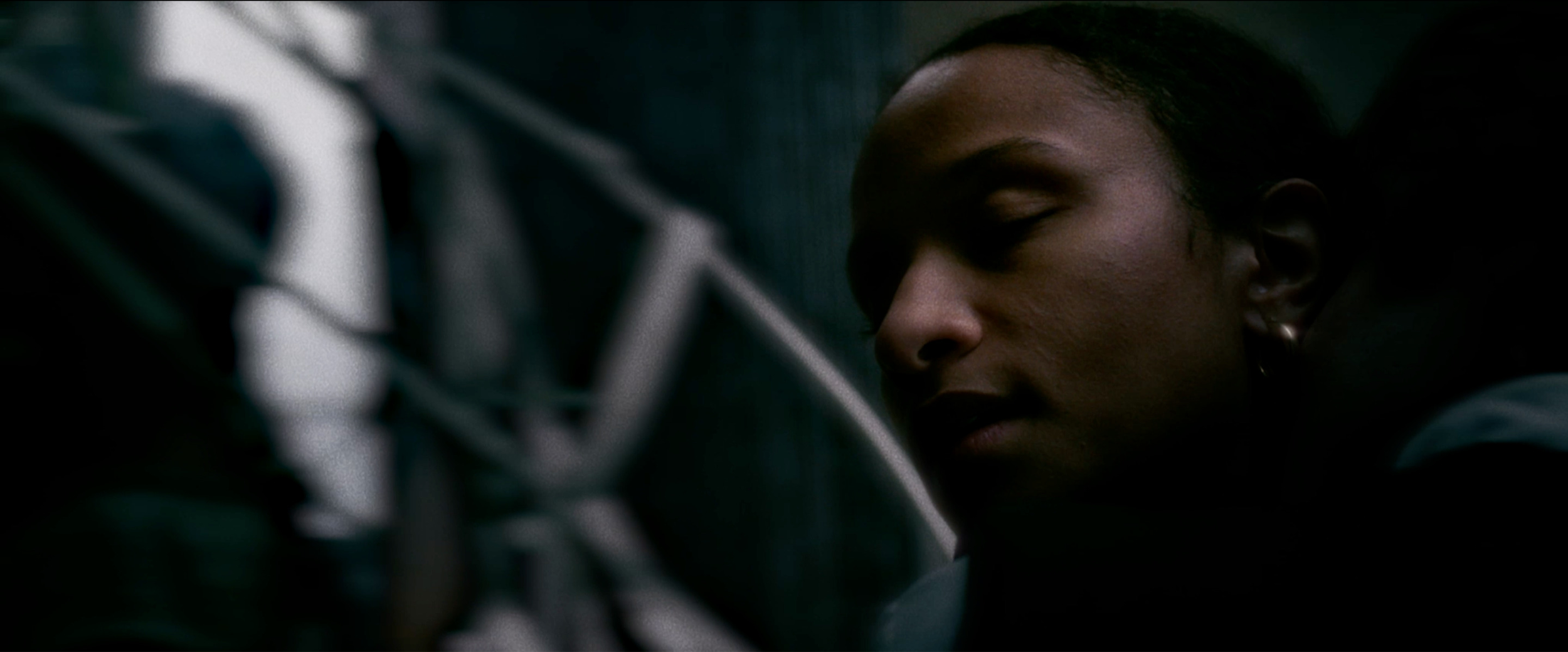
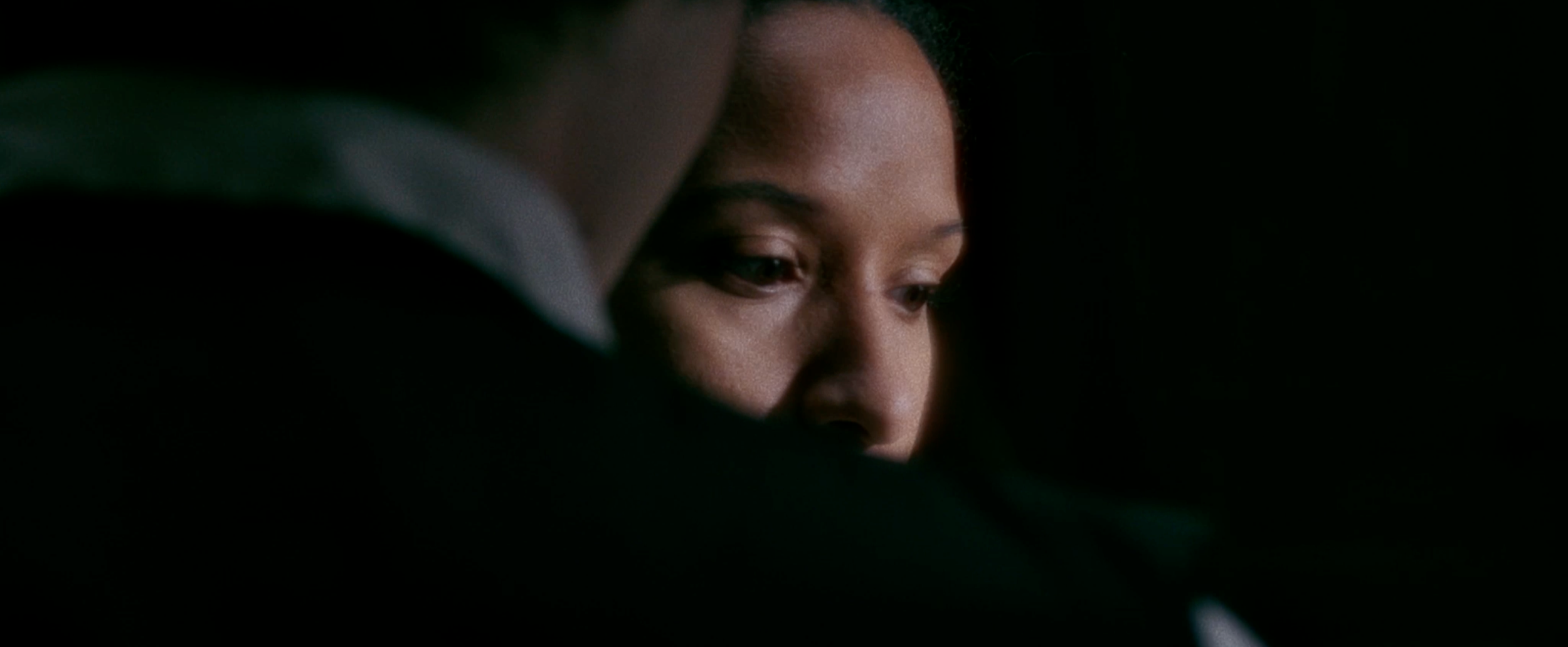
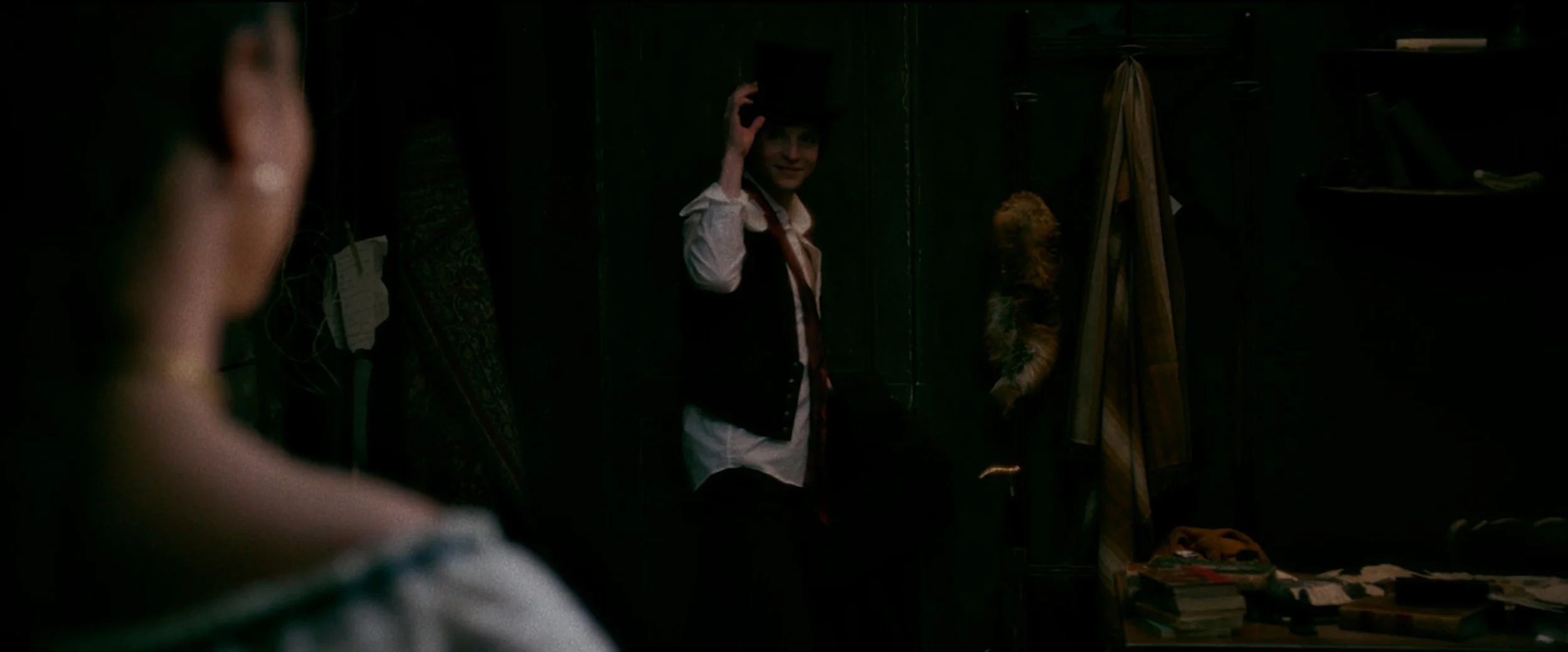
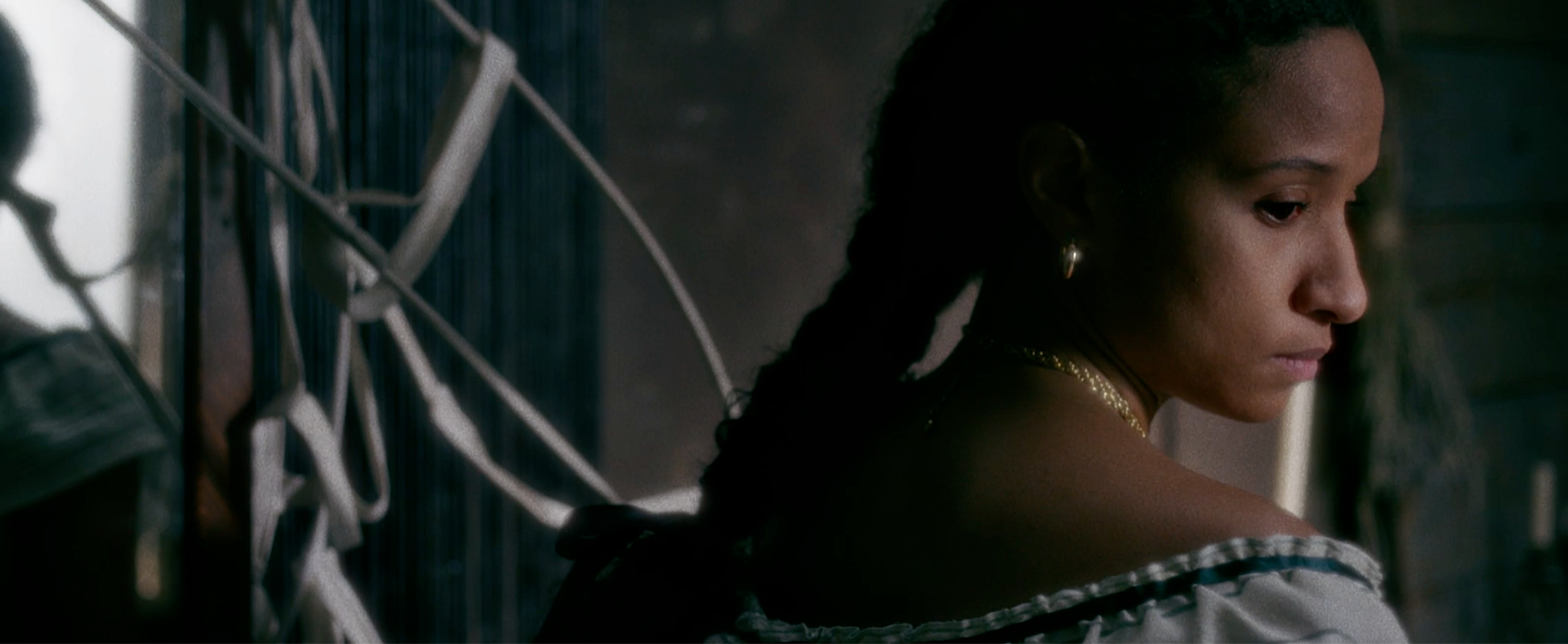
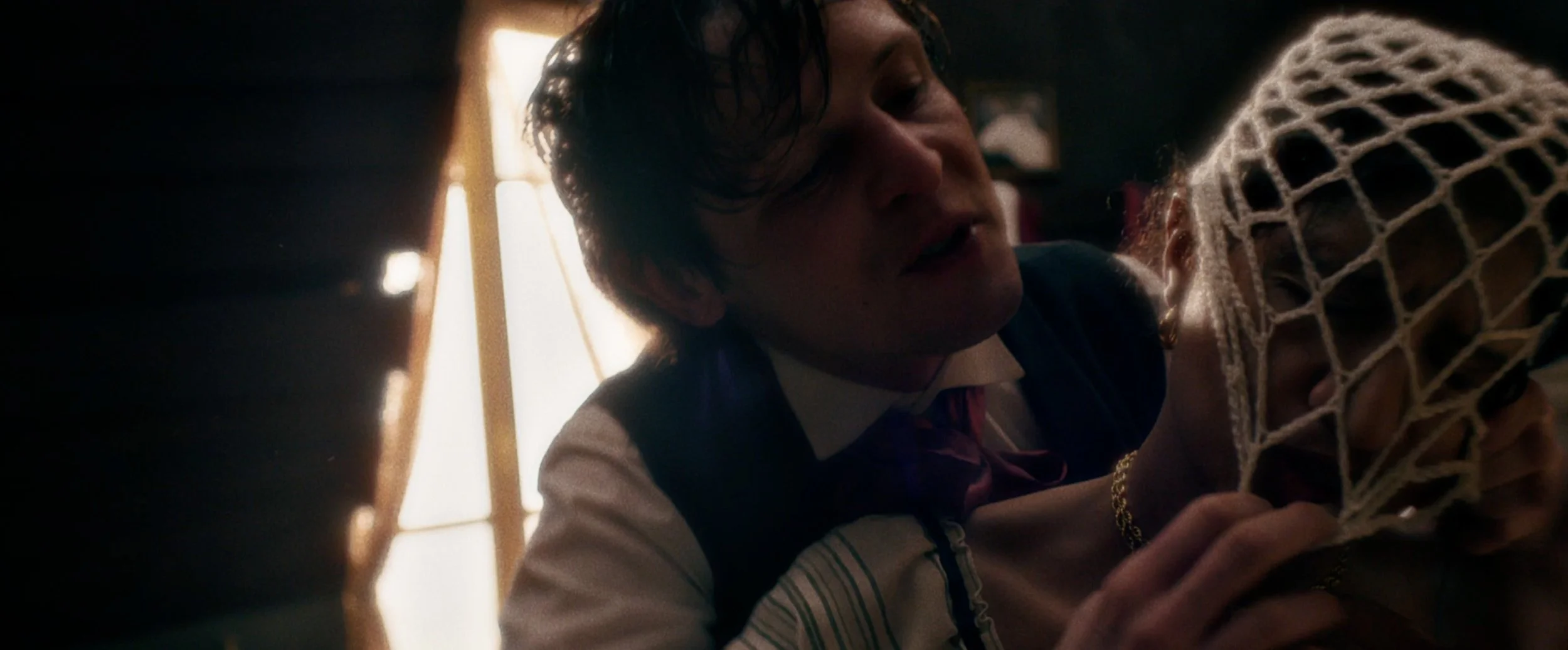
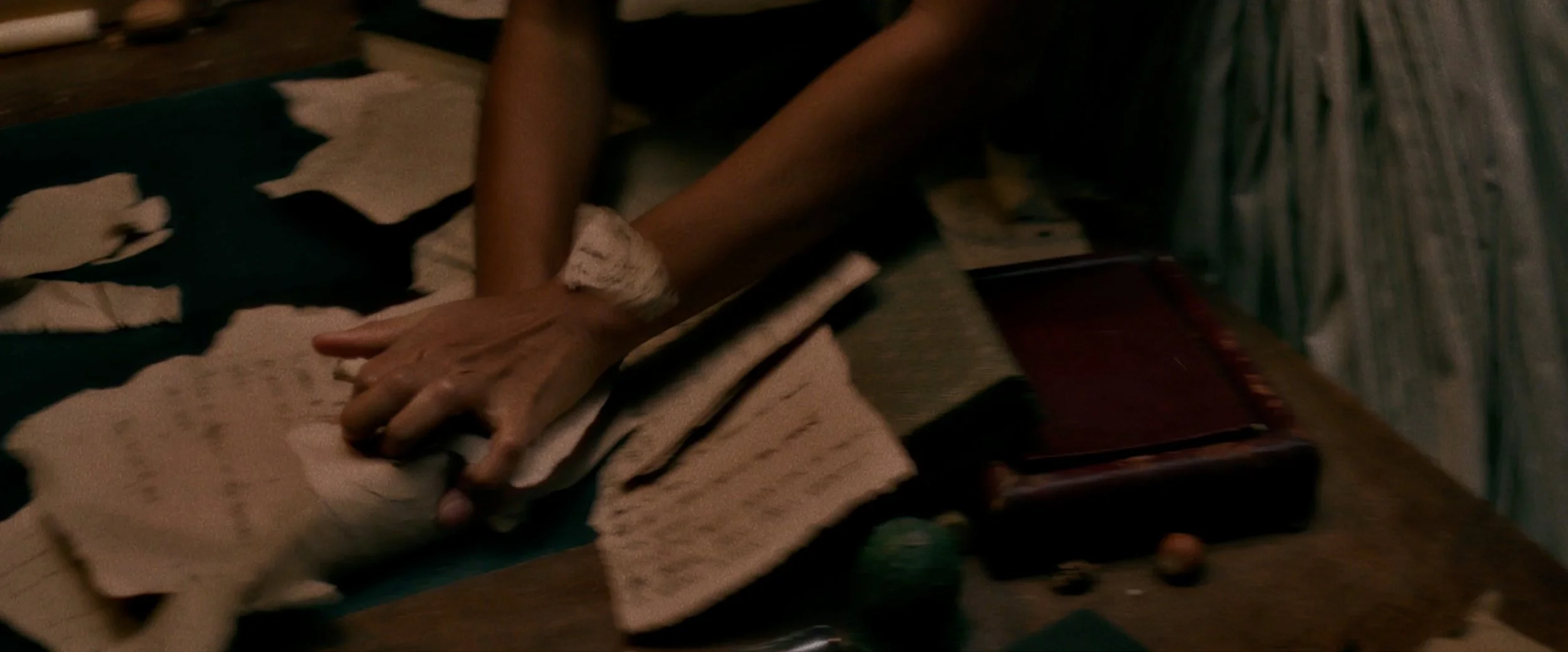
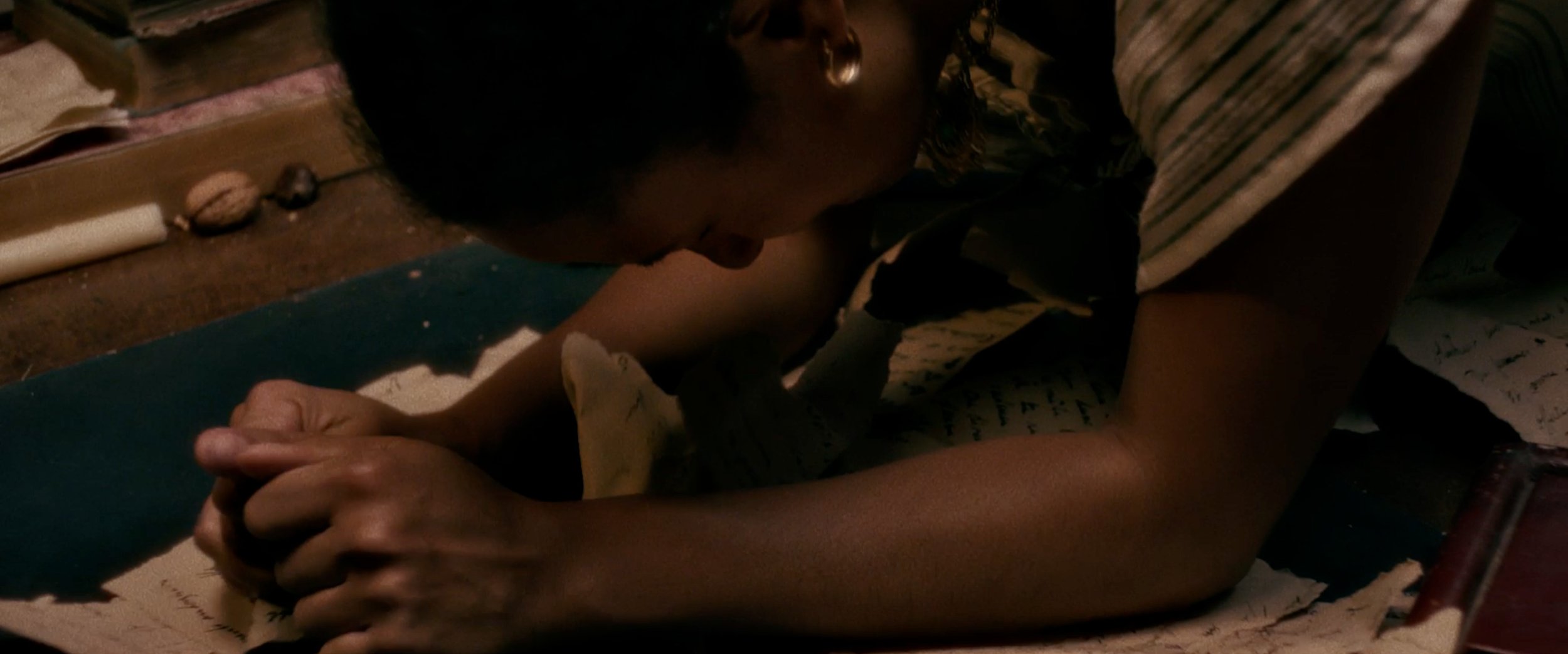
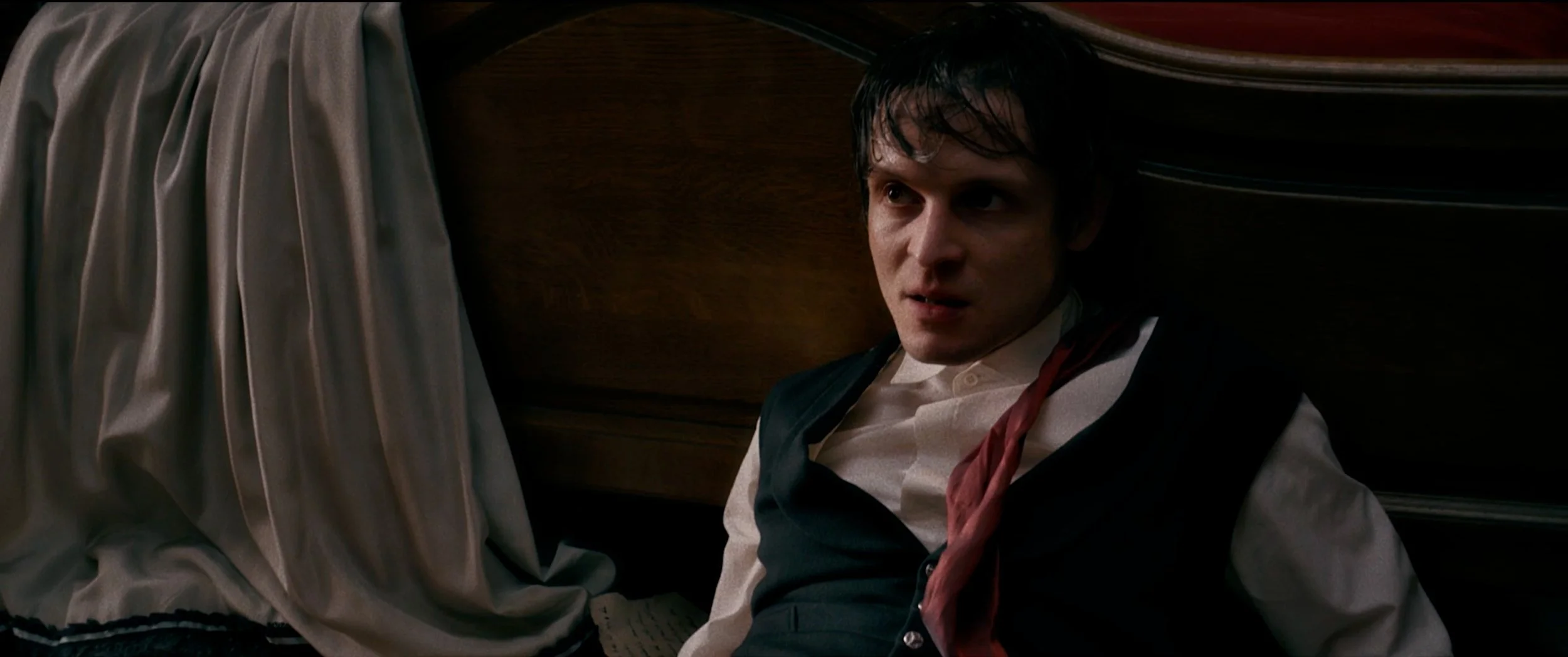
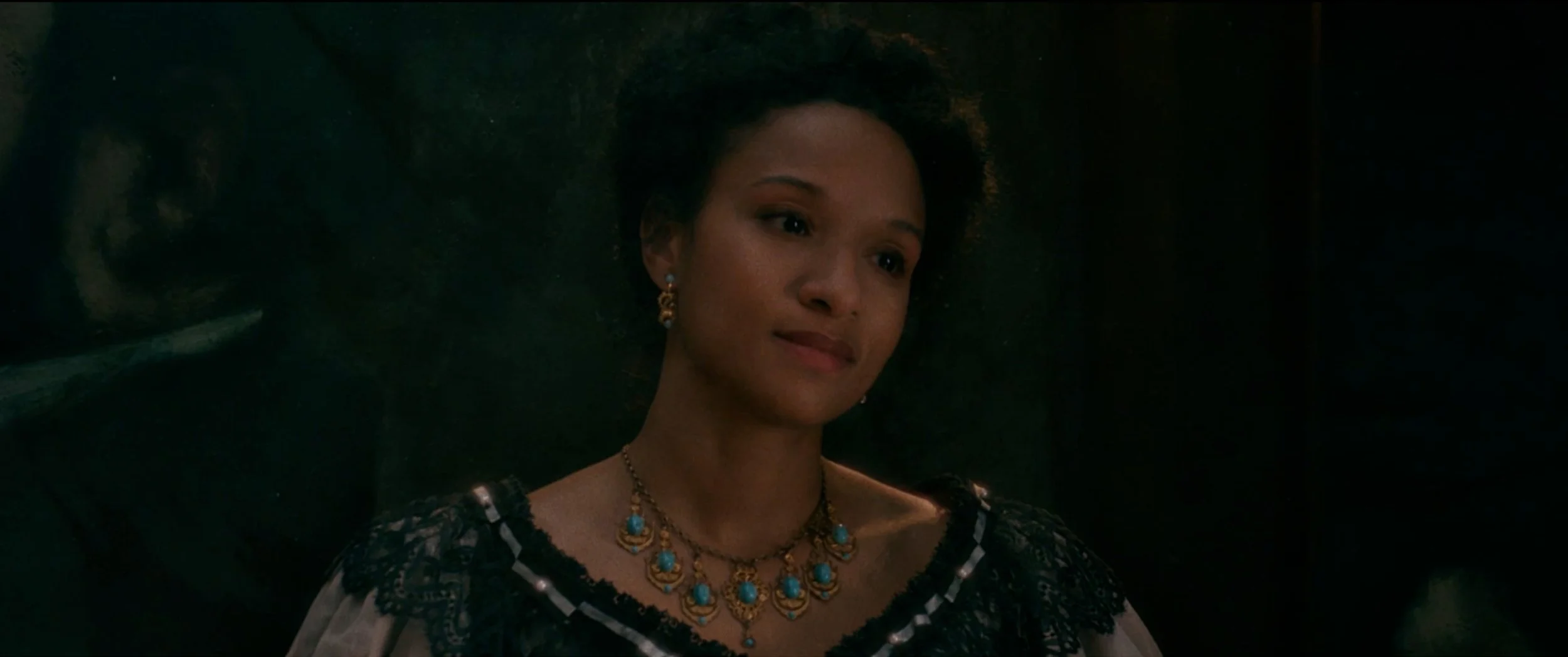
trailer
our team
-
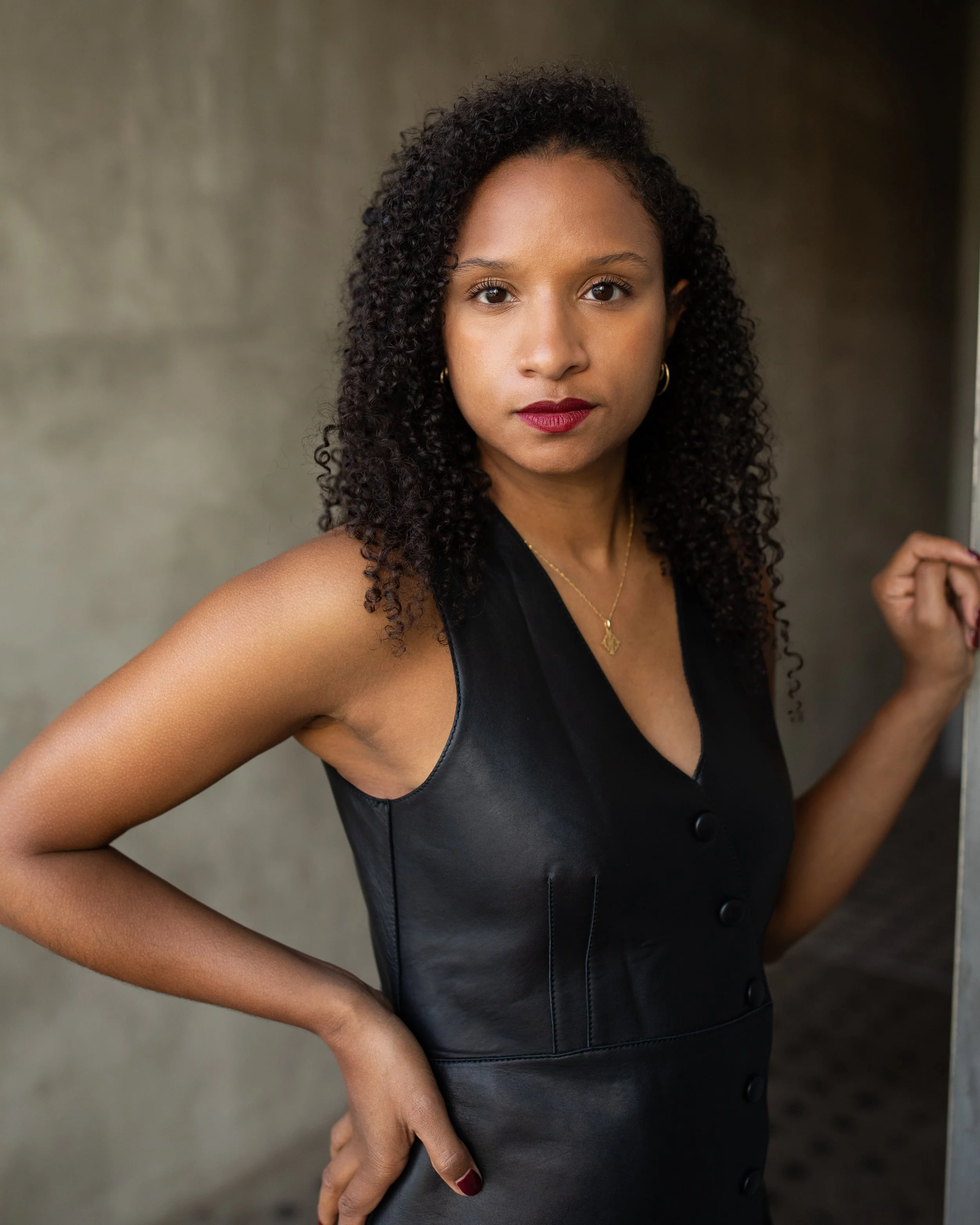
naïma hebrail kidjo
Jeanne, Writer, Associate Producer
-
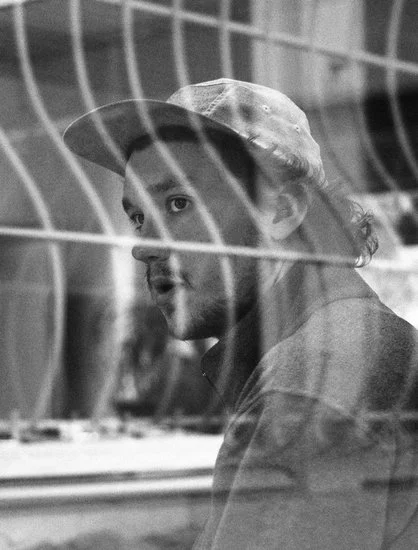
Antoine Paley
Director
-
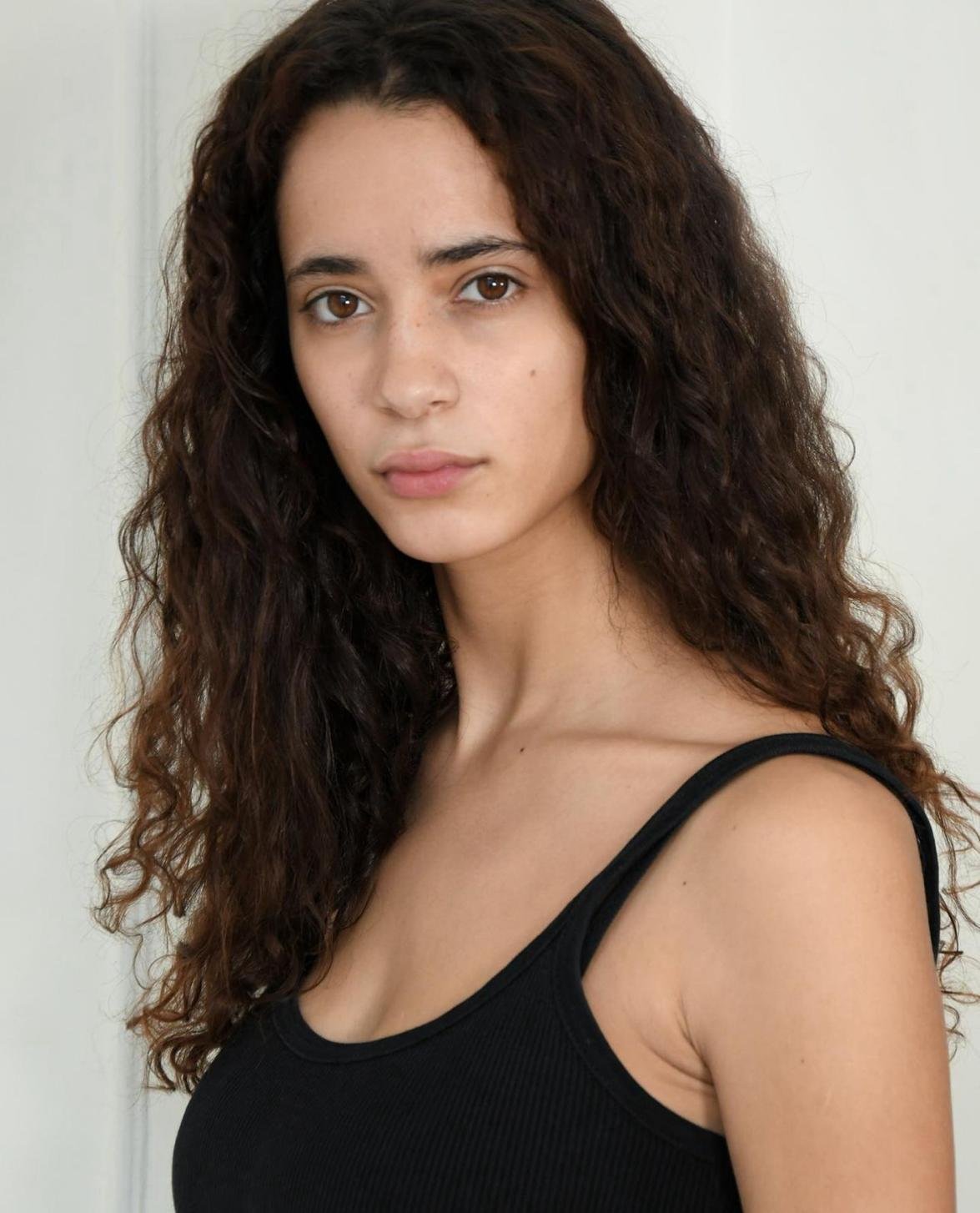
Iman Perez
Producer, Buffalo Films
-
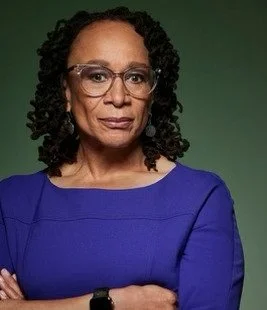
S. Epatha Merkerson
Executive Producer
THE STORY & THE HISTORY
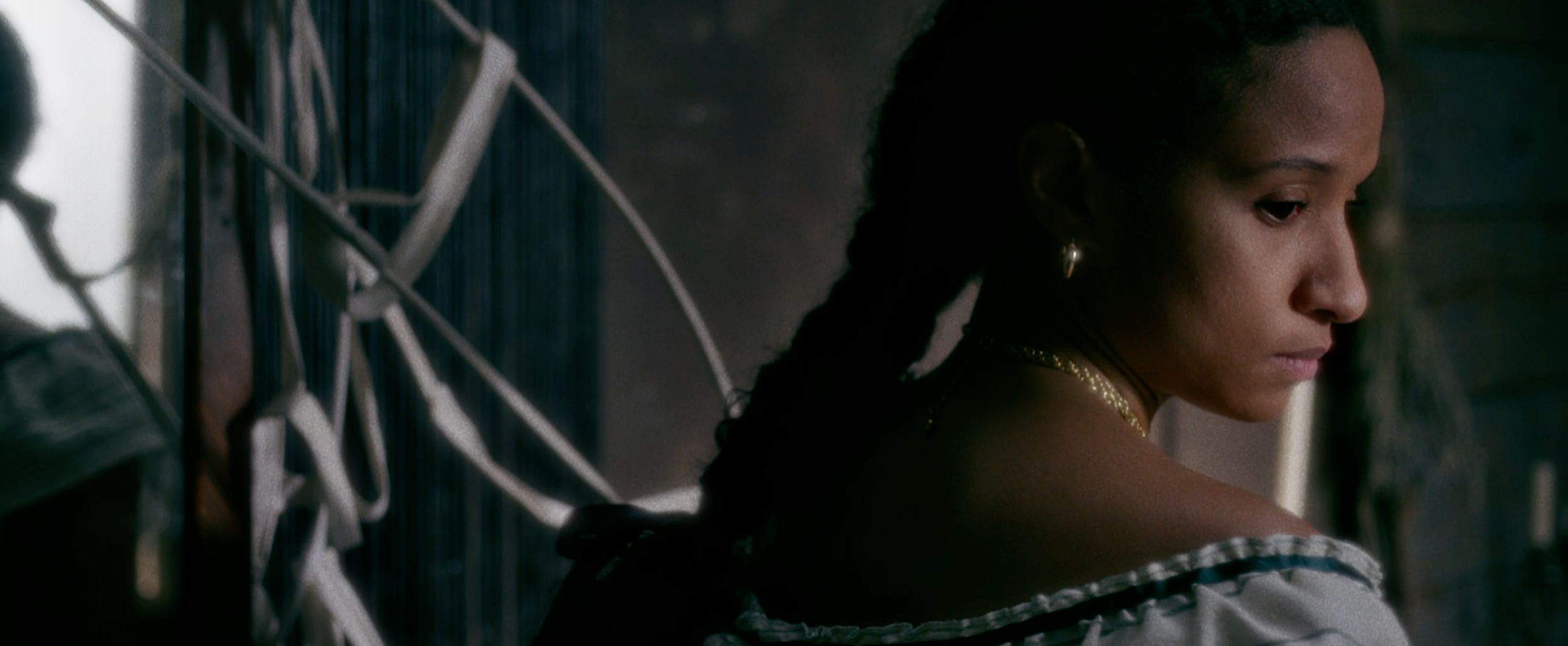
April 27, 1842: a day in the life of Jeanne Duval and Charles Baudelaire.
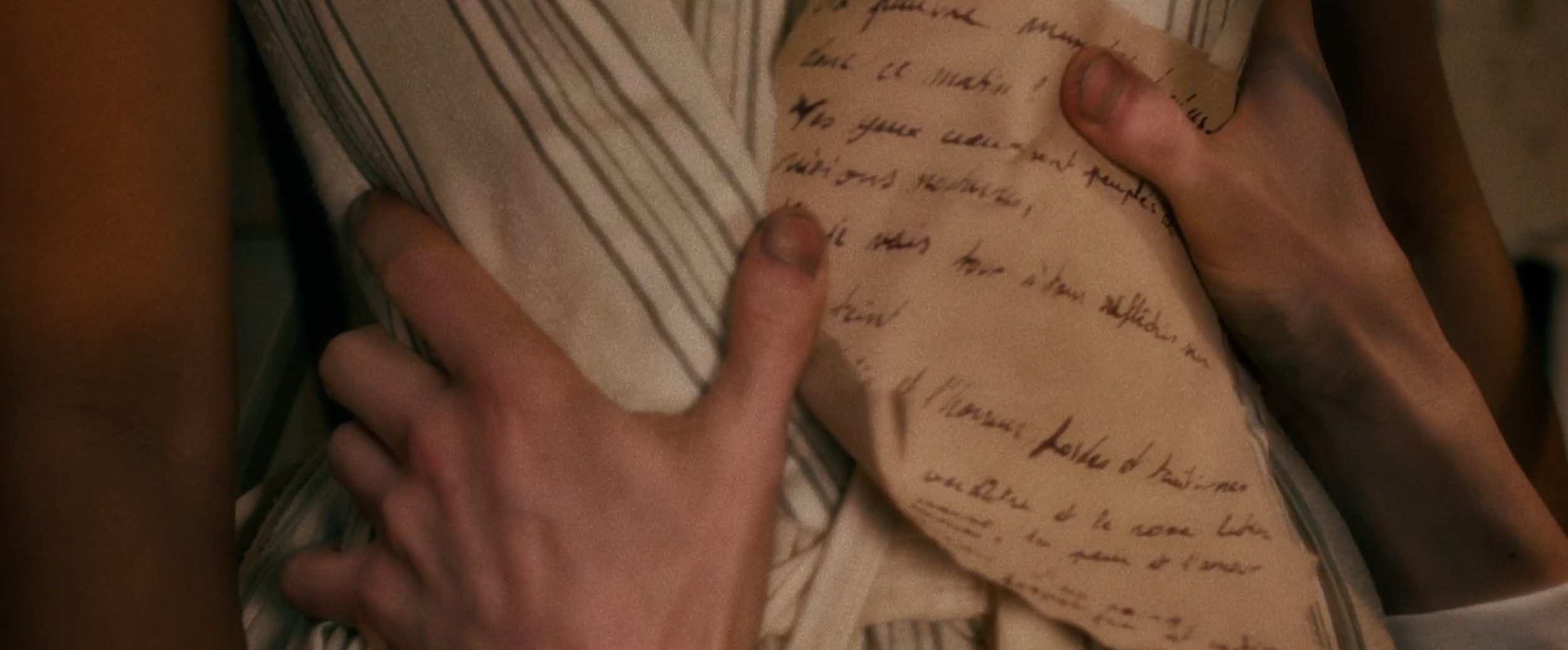
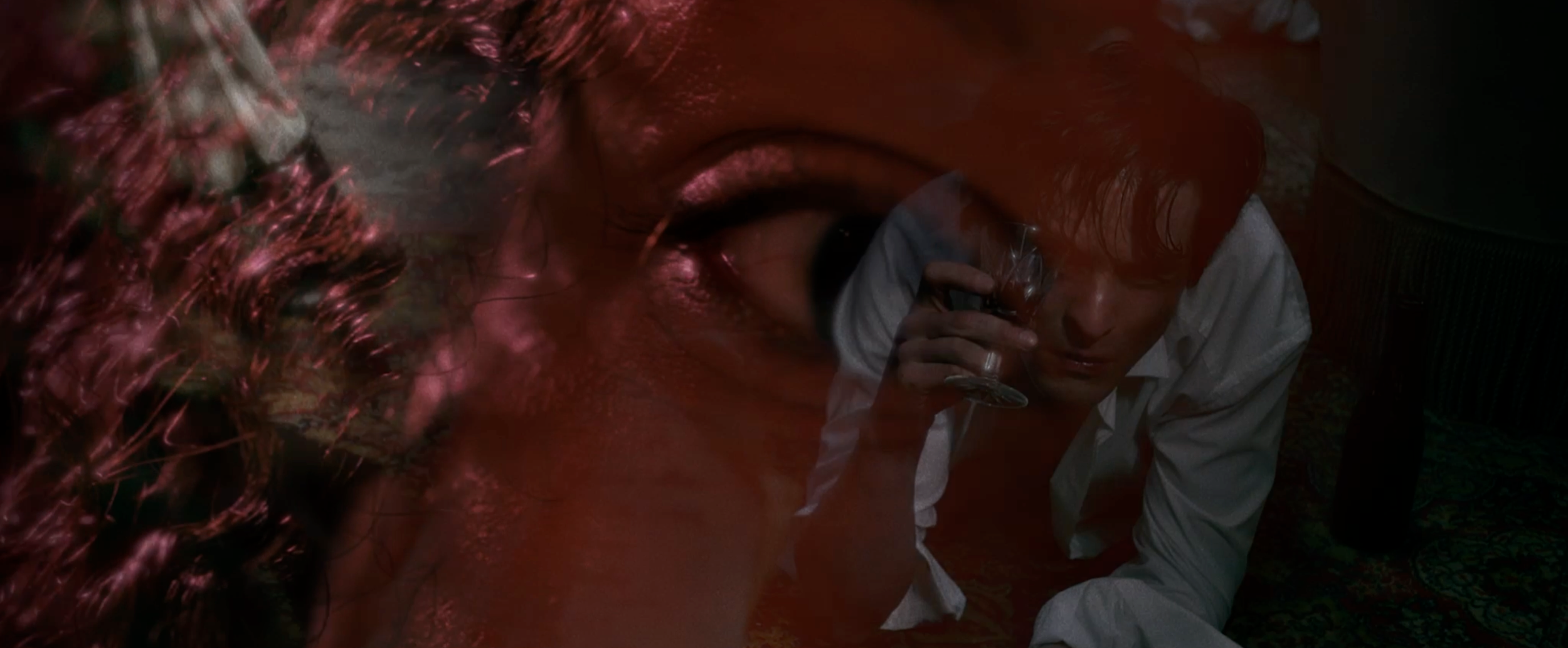
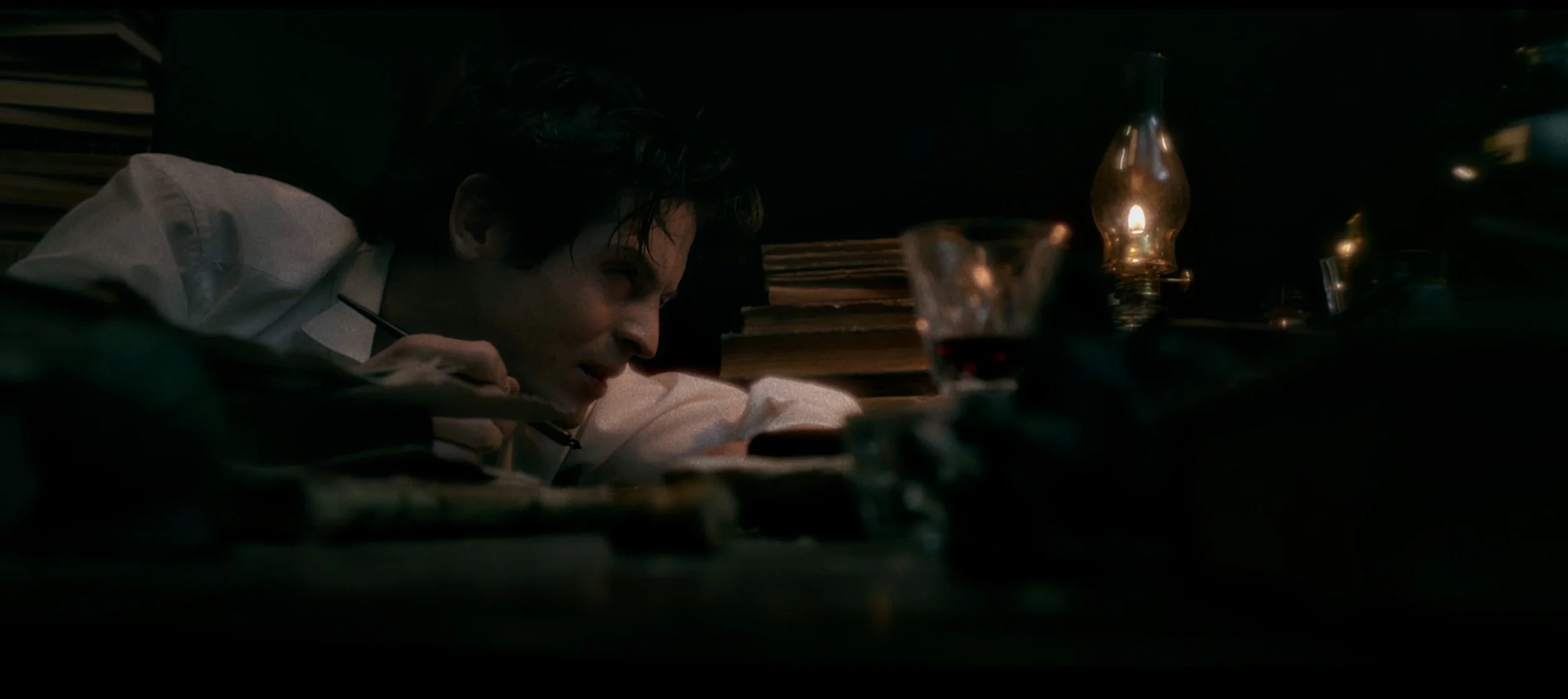
In their Paris apartment, Charles gets to writing poems about Jeanne, his mixed-race partner and muse, while Jeanne memorizes in the hopes of performing on the cabaret stage. But, as the day goes on, the weight of Charles’ words and needs becomes increasingly difficult for Jeanne to bear.
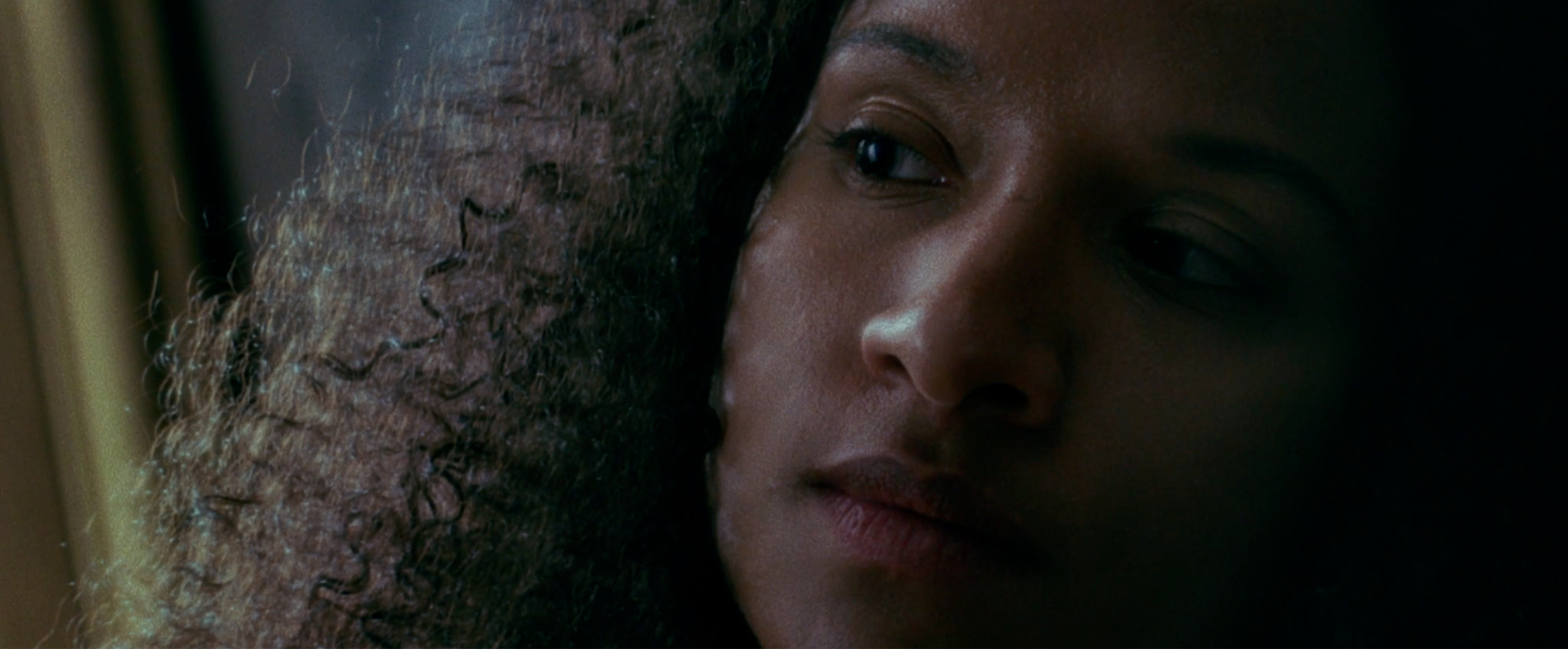
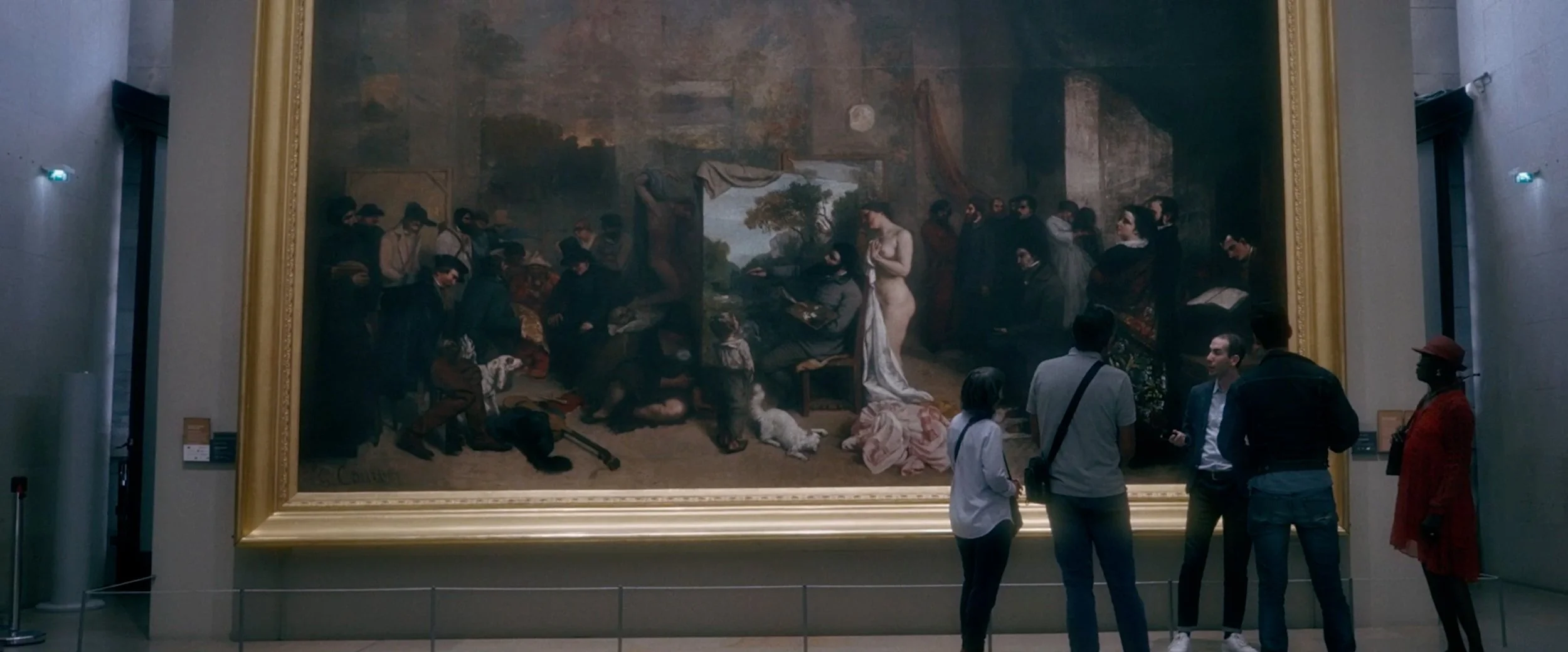
When Charles returns with news of the abolition of slavery and twists this historical moment to demand yet more from Jeanne, she snaps, finding strength and inner freedom in her anger. Her unwillingness to stay erased resonates through the ages, shining through even her erasure from Courbet’s iconic painting, “L'Atelier du Peintre.”
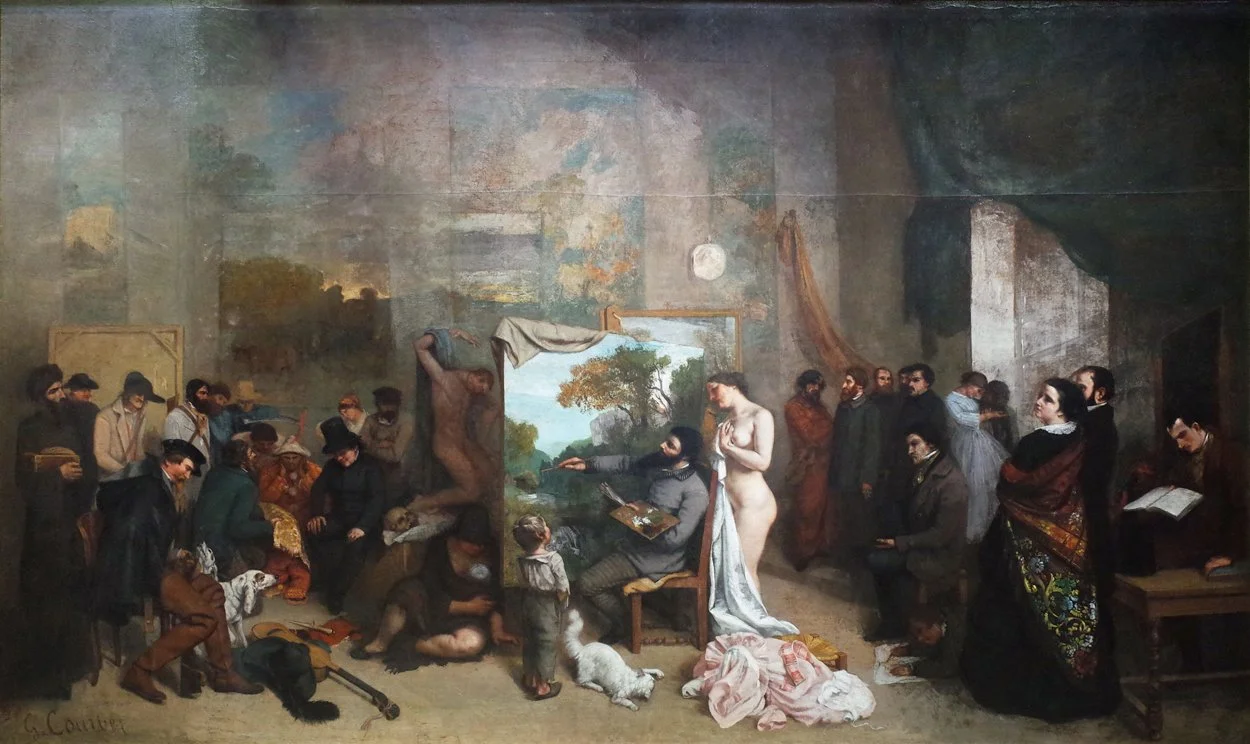
L'Atelier du Peintre G. Courbet (1855)
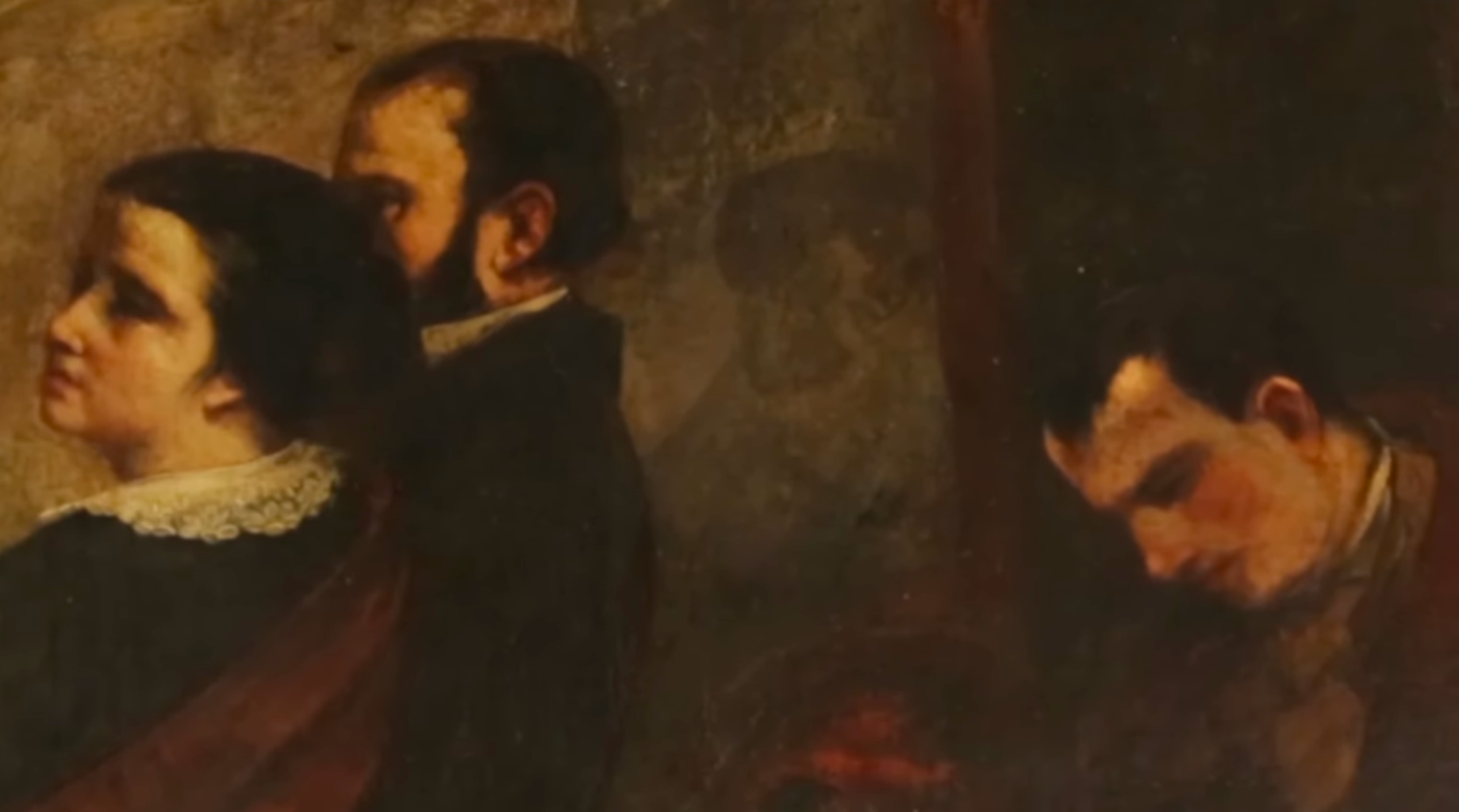
Close-up of Jeanne's silhouette behind Baudelaire. She now re-appears in the painting, 169 years after she was erased from it.
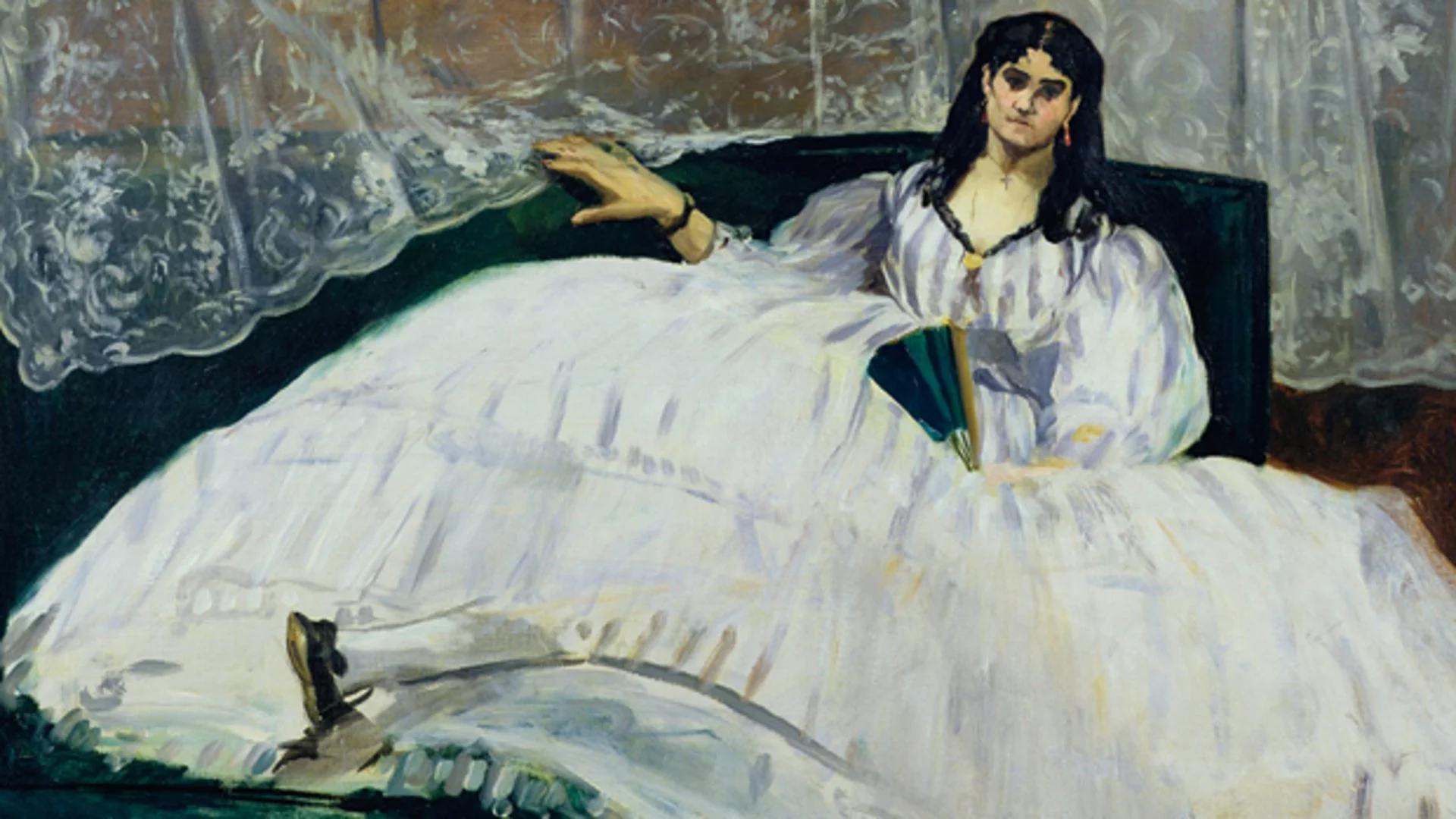
'Baudelaire's Mistress'
E. Manet (1862)
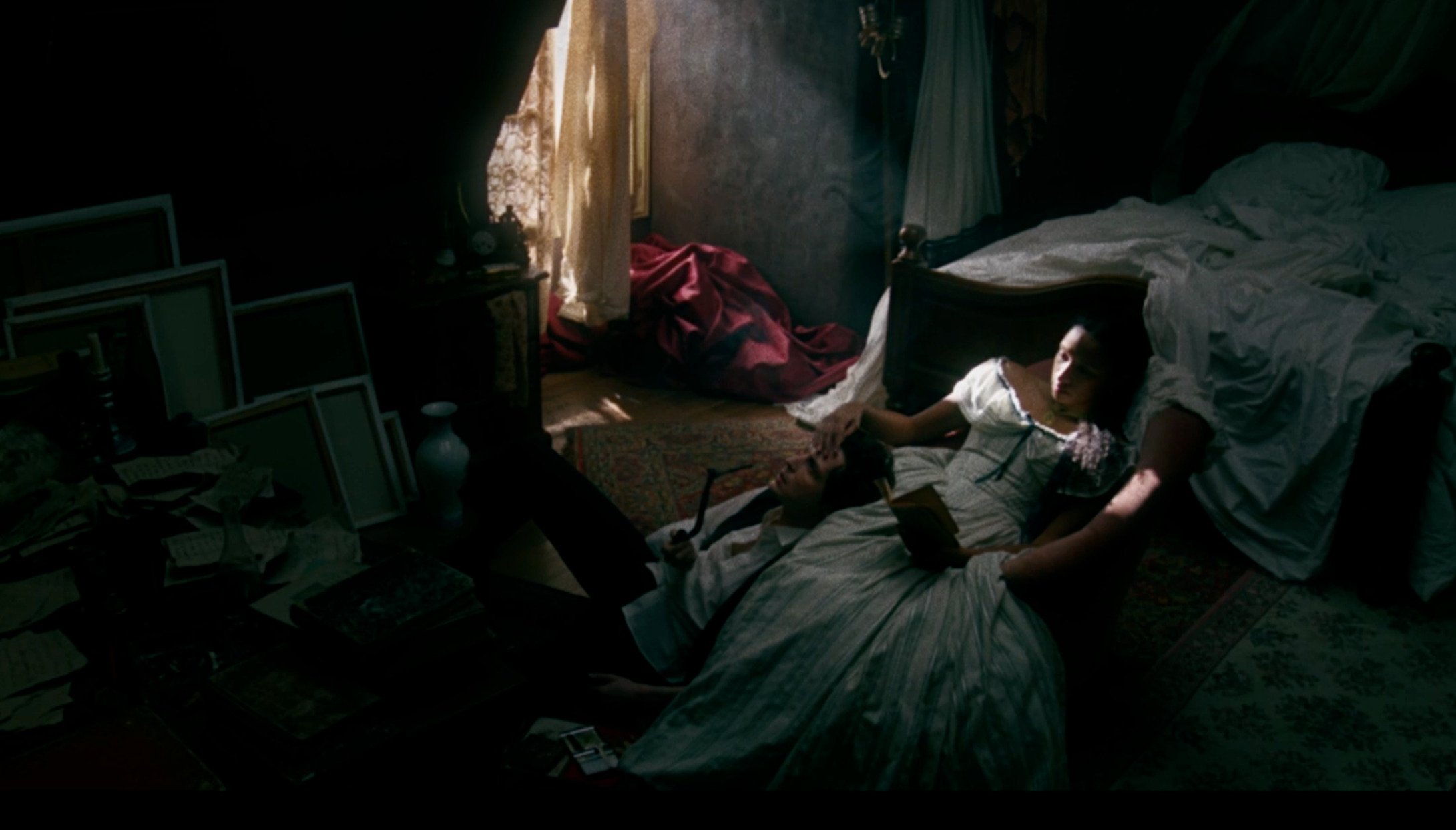
Still from Jeanne
We wanted to infuse painting and poetry at the core of our film. The beauty of these three mediums combined underscores the theme of Jeanne’s “guilded cage.”
She is immortalized through art, but erased in life.
THE REAL JEANNE DUVAL
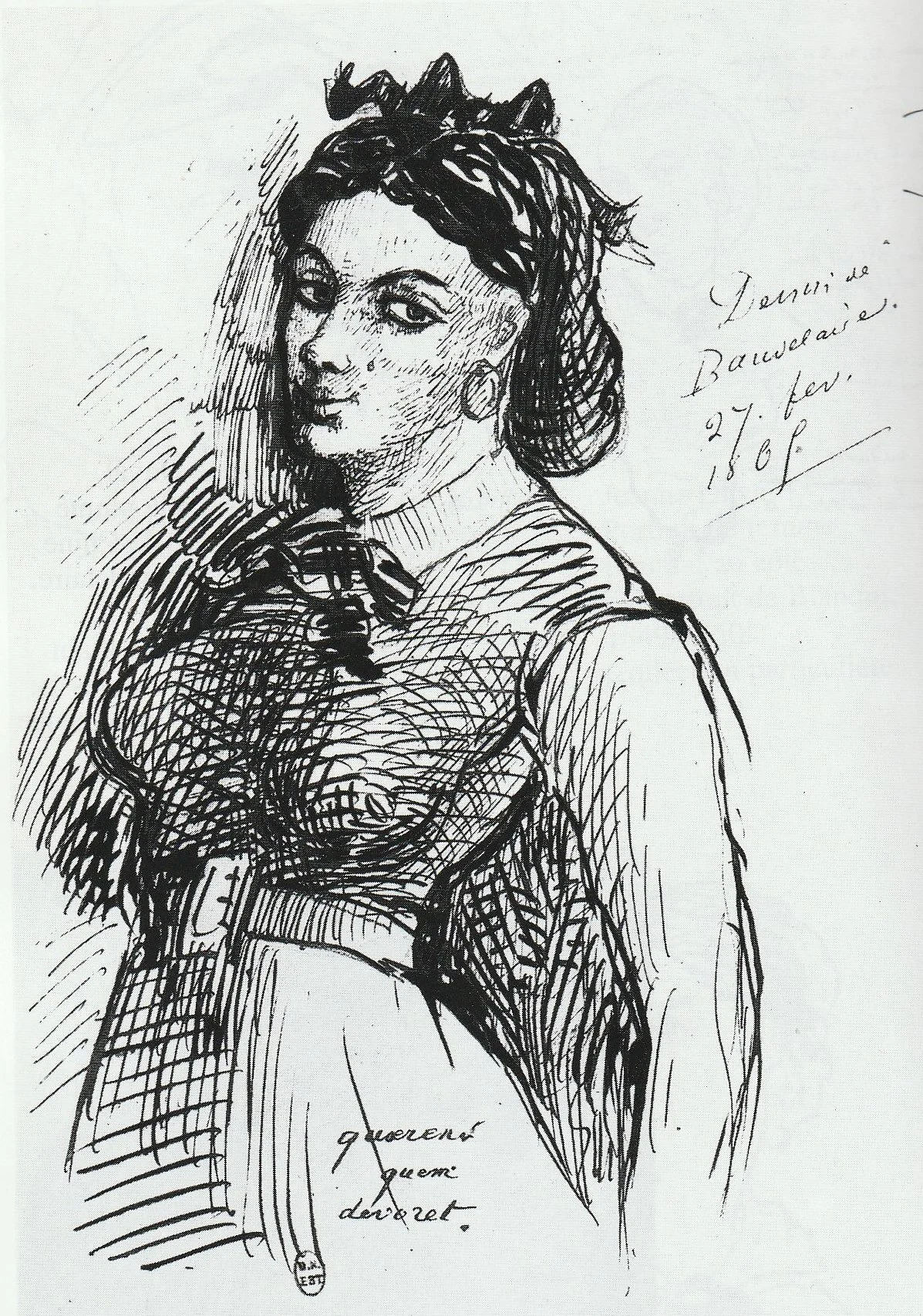
Jeanne Duval was a mixed-race actress living in France in the 19th century. Thought to be born in Haiti around 1821, she met Charles Baudelaire, renowned French poet, in 1842 Paris and the rest is history.
She is woven through Baudelaire’s life, his body of work, and is at the core of his poetic imagery. Their relationship was tumultuous and passionate. Despite their love being in defiance of the times, their connection lasted through both their lives.
We catch glimpses of Jeanne through Baudelaire’s verses – her hair, her skin, her “deep eyes so fervid and so tender,”[1]… Thus Jeanne’s formidable shape takes form in the shadow of her lover’s quill.
Jeanne was portrayed on canvas as well! Eduard Manet painted her in Woman with a Fan, also known as Baudelaire’s Mistress. Jeanne Duval is also in Courbet’s Atelier du Peintre near where Baudelaire is was depicted – but Courbet erased her. Fifty or so years later as the paint aged, Jeanne’s silhouette seeped back into the Atelier du Peintre in an phenomenon called a pentimento (“repentance” in Italian).
Unfortunately, it’s only through Baudelaire and accounts given by those around him that we find most information about Jeanne Duval. Even seemingly simple details such as when and where she was born or died are unconfirmed. And in some cases, there was a willful erasure of her impact on his life. For example, when Charles Baudelaire died his mother burned all the letters Jeanne had written him. But what is clear is that Jeanne, apart from being “the only woman [Baudelaire] ever loved,”[2] was a passionate, willful, powerful modern woman.
Through extensive research and generous imagining, we’ve tried to peek beyond the veil of the male gaze and go beyond hearsay to imagine Jeanne and give back some of the spotlight that is her due.
[1] Un Fantôme (a Phantom) by Charles Baudelaire
[2] Letter to M Ancelle - June 30 1845 by Charles Baudelaire